
ServiceBreakdowns & fault finding
FIND THE
REAL CAUSE.
Industrial breakdowns and fault finding across Newcastle, Maitland and the Hunter Valley. When equipment stops, we work with your people to get it running again safely. When a fault keeps coming back, we follow the evidence to find the cause.
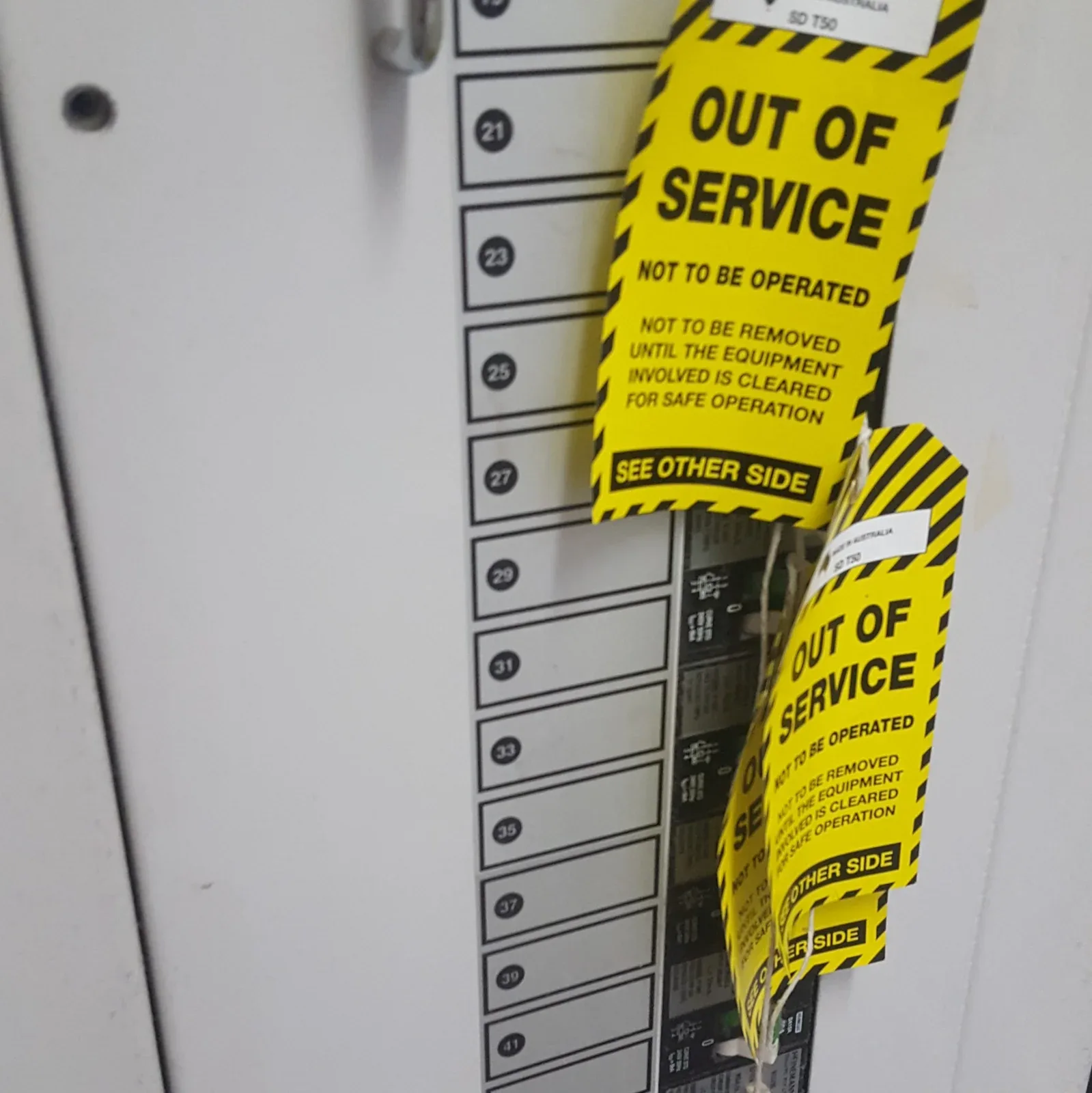
- Who it’s for
- Maintenance, production & site managers
- When it’s stopped
- Back running safely, where practical
- When it keeps stopping
- Measured, logged and traced
- You get
- What we found and what to do next
Worth knowing
When equipment stops
Fault codes often clear on reset.
Many drives, HMIs and protection relays only hold the last fault until they’re reset or lose power.
Why: That code can point towards the cause. A photo of the screen before the reset keeps it.
Repeated resets can do damage.
Each restart into a fault puts high current and heat through the motor, contacts and drive.
Why: A fault that trips again straight away is often still there. Another start can turn a small fault into a burnt motor or welded contacts.
Intermittent faults often have a pattern.
They can line up with a time of day, a load, the temperature or another machine starting.
Why: Knowing what was happening when it stopped can narrow the search much faster than testing everything.
Running again isn’t always fixed.
A reset or temporary repair can get production going while the cause is still there.
Why: A fault that hasn’t been found can come back at a worse time. Finding the cause gives the best chance of it not happening again.
Two kinds of call
Stopped, or keeps stopping
01 · Breakdown
It’s stopped.
The priority is getting it running again, safely.
- Usually
- Equipment or components that have failed, loss of power to plant, switchboard and circuit faults, and control system or PLC faults where we have the access and software.
- How we approach it
- Make it safe, find what’s failed, then repair it, or restore it temporarily where that’s the practical option.
- You get
- Equipment running again, and a record of what we found and did.
02 · Fault finding
It keeps stopping.
The priority is finding the cause, so it’s less likely to come back.
- Usually
- Intermittent and recurring faults, faults that only show under certain conditions, power quality and instrumentation problems, and faults that earlier repairs haven’t fixed.
- How we approach it
- Talk to the people who run it, look for a pattern, then measure and log under real conditions to track down the cause.
- You get
- The cause and the evidence behind it, with the fix or the next step.
What we use when it needs more.
The process
What happens when you call
Call us.
Call or request a callback. Tell us what’s stopped and where, and we’ll tell you when we can get there.
Talk to your people.
What happened, when, and what’s been tried. The people who run it often know more than the alarm log.
Make it safe.
Before anything else, the equipment and the people around it are safe.
Get it running.
A safe repair, or a temporary fix where that’s the practical option.
What’s next.
What we found and what we did. If the cause isn’t clear, we recommend the next step, like logging or more testing.
You getFindings and next steps
Related work
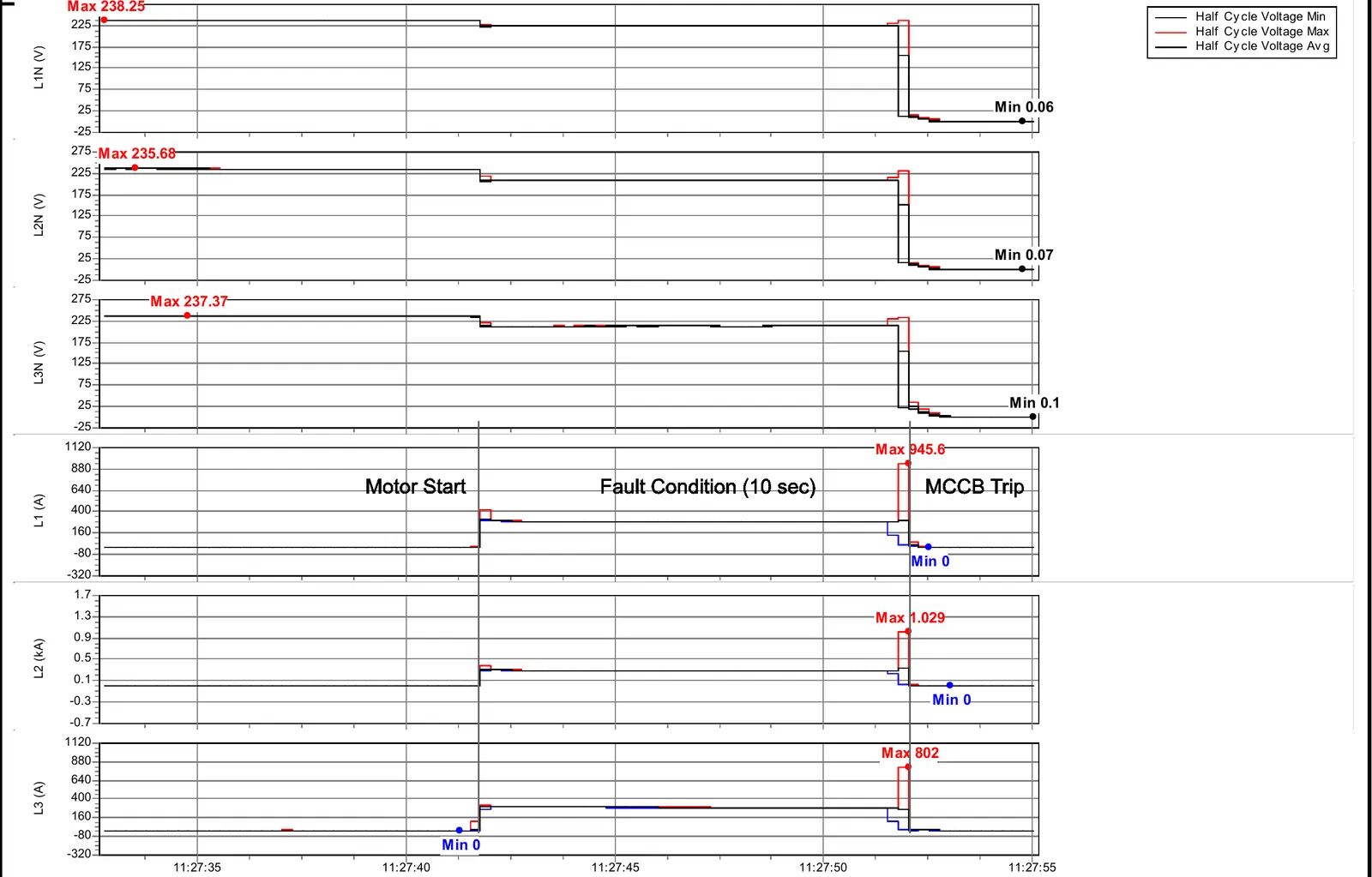
75 kW compressor fault investigation
What we didCaptured the intermittent fault during motor start-up and compared it with normal starting conditions.
How it helpedCapturing the fault gave us evidence that wasn’t there during the first inspection.
View the project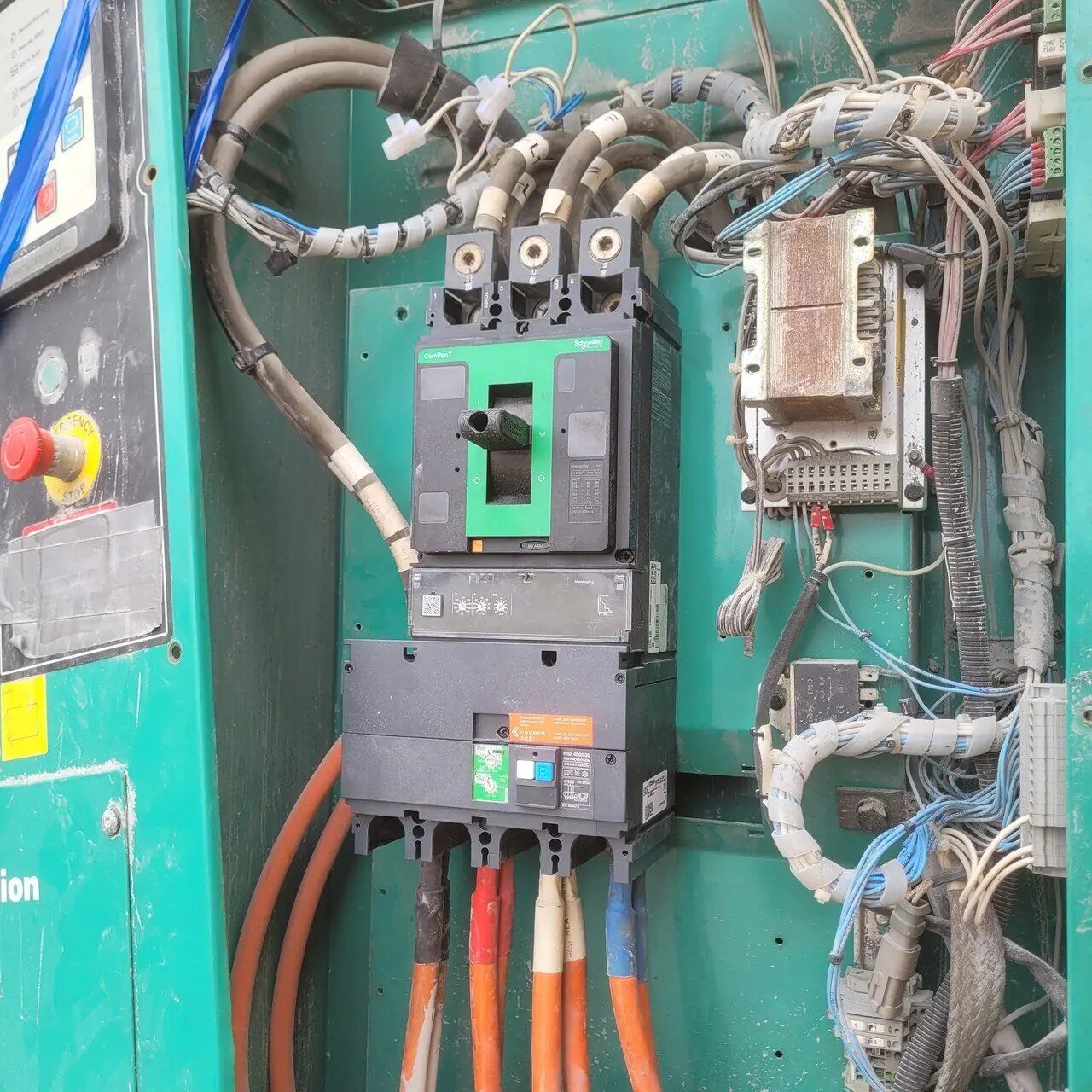
Mixer genset main circuit breaker replacement
What we didUrgently sourced and installed a replacement MCCB.
How it helpedThe fast repair allowed production to continue with minimal downtime.
View the project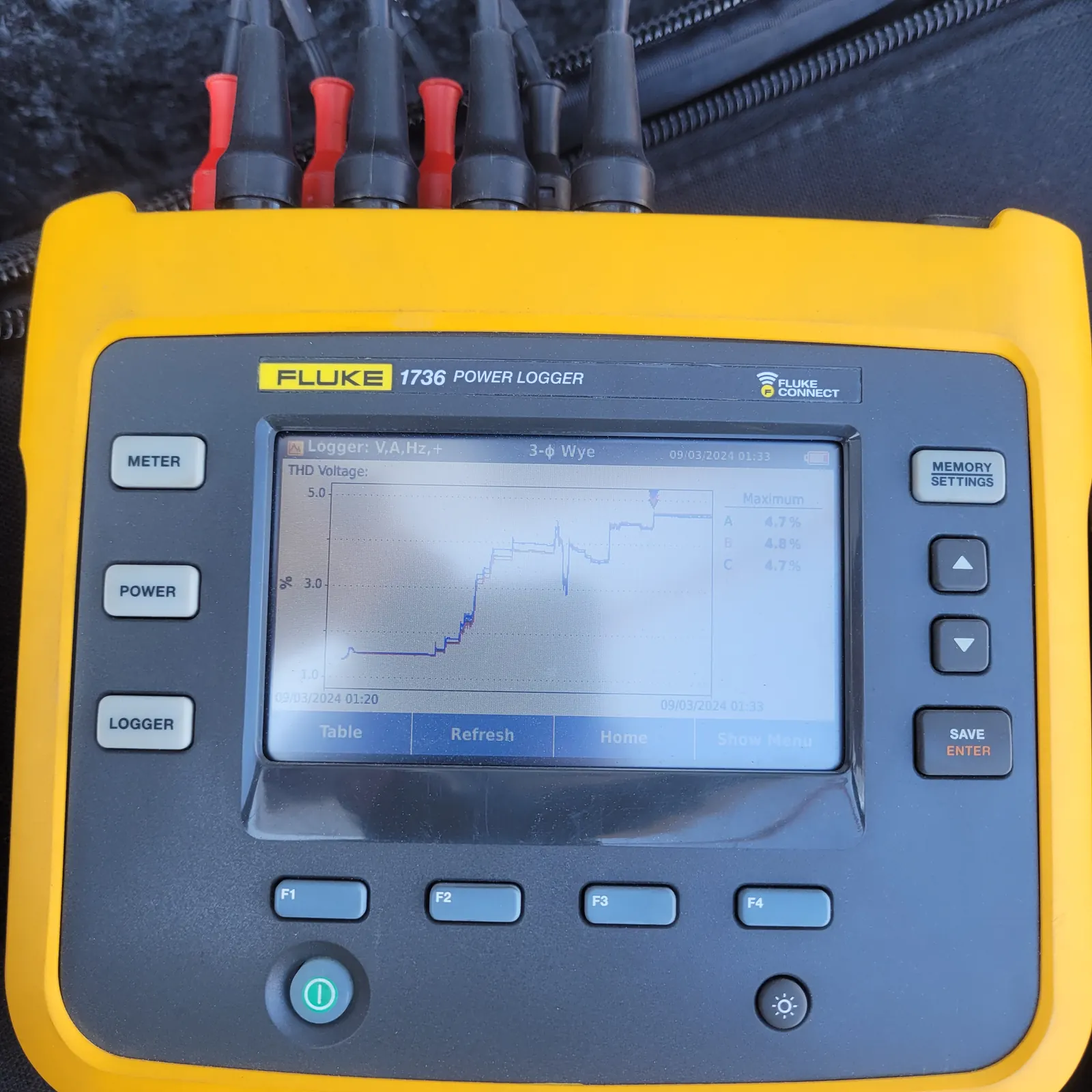
Generator harmonic distortion investigation
What we didAnalysed harmonic distortion within the generator-connected electrical system.
How it helpedWhile the cause of the intermittent generator fault was not pinpointed, the investigation confirmed that harmonic distortion was within acceptable limits.
View the projectFAQs
Questions people ask
What should I have ready when you call?
A short description of the equipment and what happened is enough to start. It helps to know whether it’s completely stopped or still running with a fault.
Someone has already looked at it. Is another investigation worth it?
It can be. We start with what’s already known and what’s been tried, so the work done so far isn’t wasted.
Does the equipment need to be stopped?
Not always. Some faults are best looked at while the equipment runs normally, and some testing needs it stopped. It depends on the fault and what can be done safely.
What if the fault doesn’t happen while you’re on site?
We can still work through the information available and narrow down the likely causes. Where needed, we leave logging equipment in place to capture it.
Can you fault find PLCs and control systems?
Yes, where we have the access and software for the platform.
Do you guarantee a response time?
No. Call us and we’ll tell you when we can get there. Callback requests that come in after hours will most likely be picked up the next business day.
Other services
- Industrial maintenanceRepairs, modifications and new equipment, from people who know your plant.
- Automation & controlPLC, HMI and control panel support, changes and new systems.
- Mining projects & equipmentPlant made ready for site, then connected and supported through the project.
- Hazardous area electricalInspection, maintenance and installation in classified areas.
- New facilities & expansionsThe electrical side of new machinery, production changes and expansions.
Urgent callback
Something stopped?
Give us your details and the site, and we’ll call you back to work out what’s happened and the next step.
Callback requests made outside business hours will most likely be picked up the next business day.
Or call 1300 886 613