
Project overview
SOLAR SYSTEM REPLACEMENT & UPGRADE
Replacing a damaged solar system with a higher-performing installation designed for future expansion.
Customer need
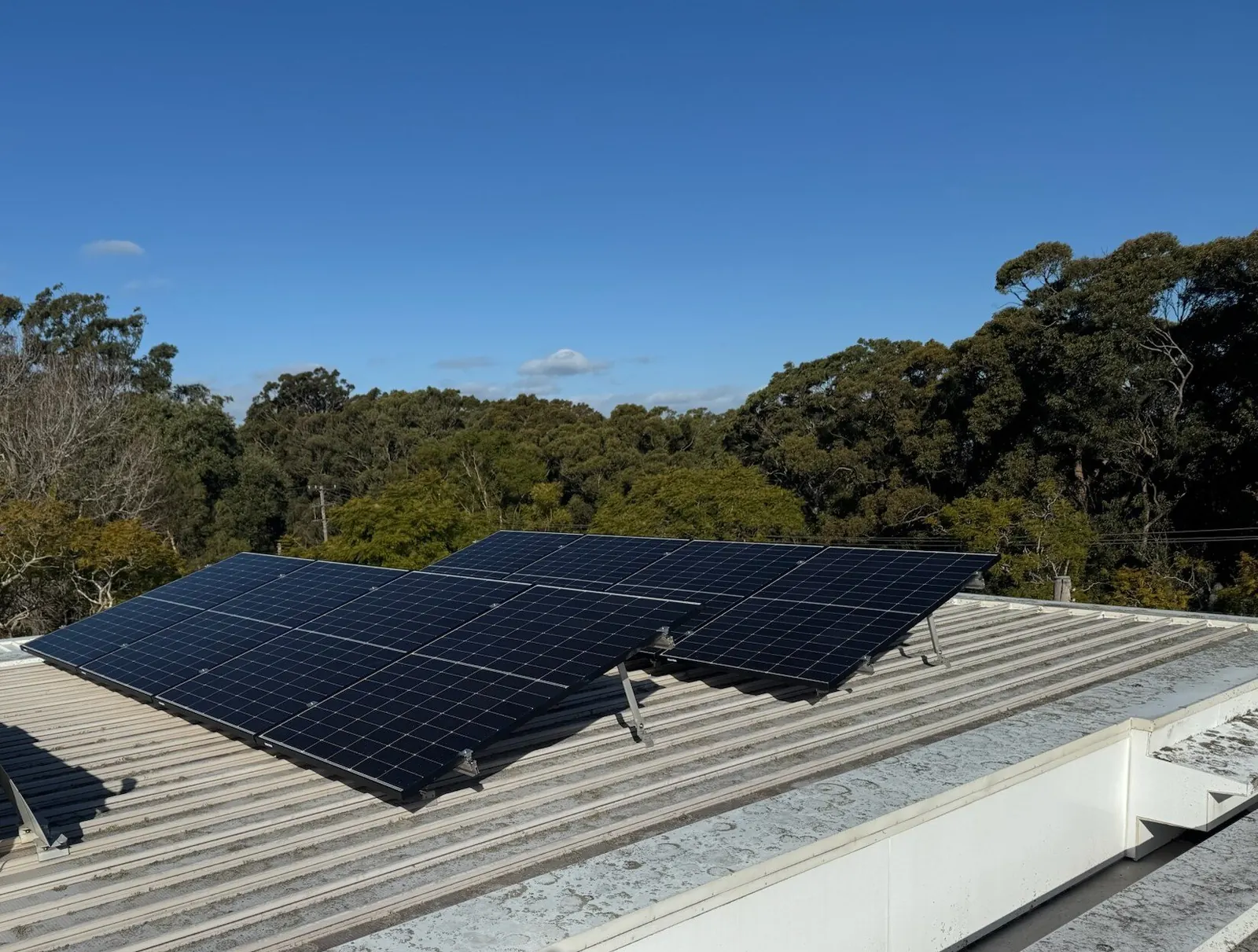
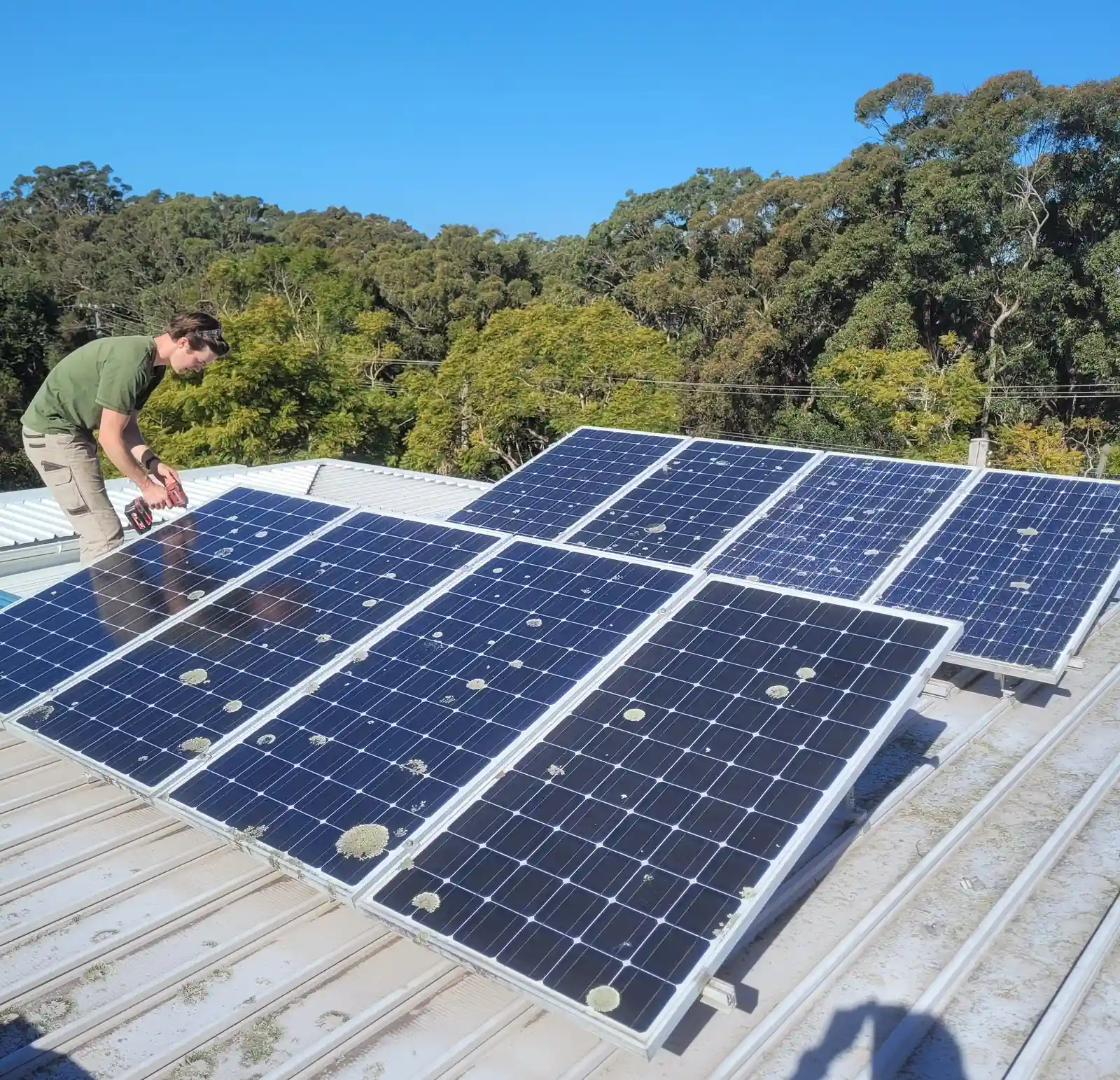
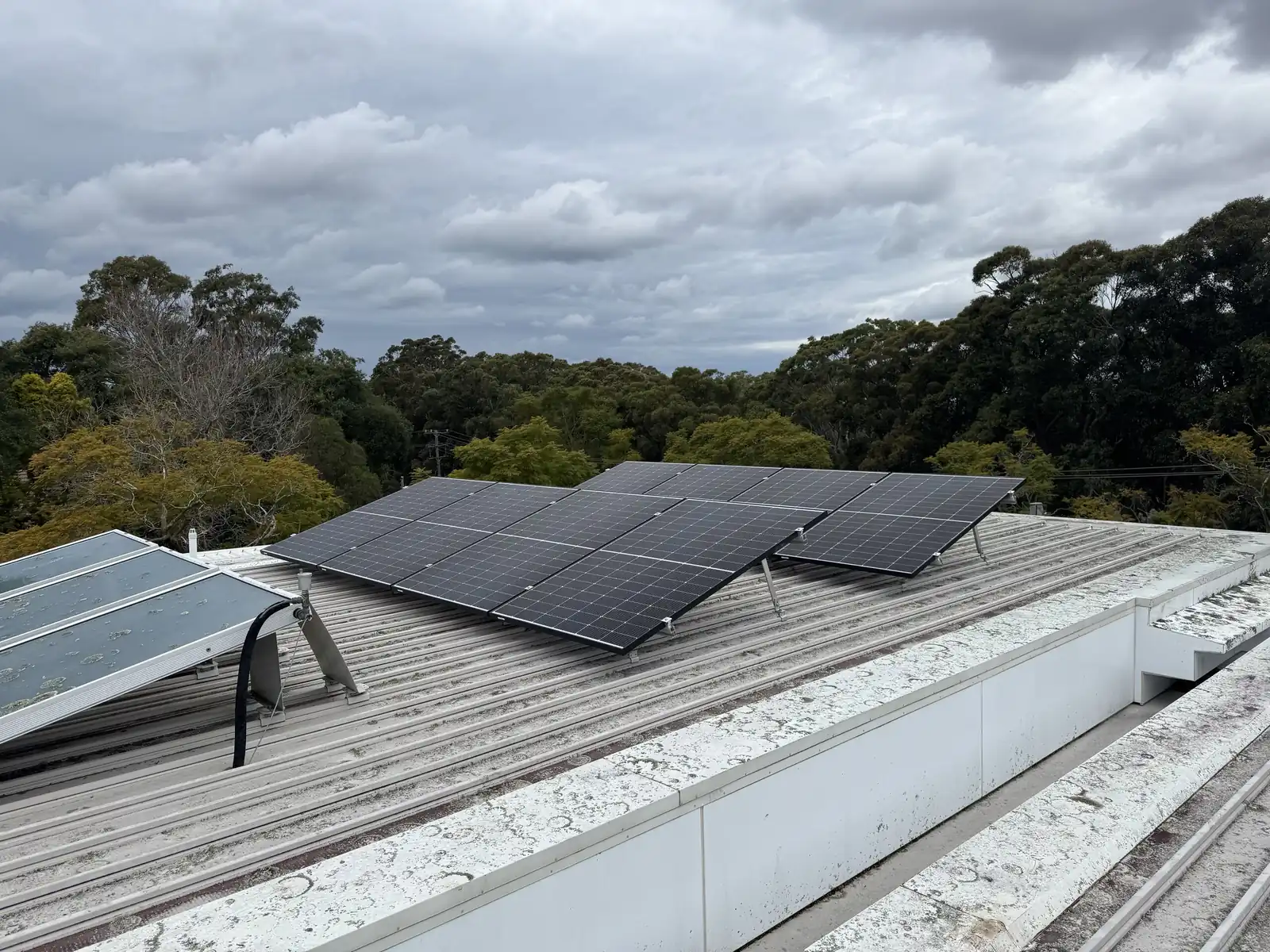
The customer’s electricity bills had increased while their existing solar system produced very little power. Inspection found a faulting inverter and significant panel damage, making replacement the most practical option.
What we did
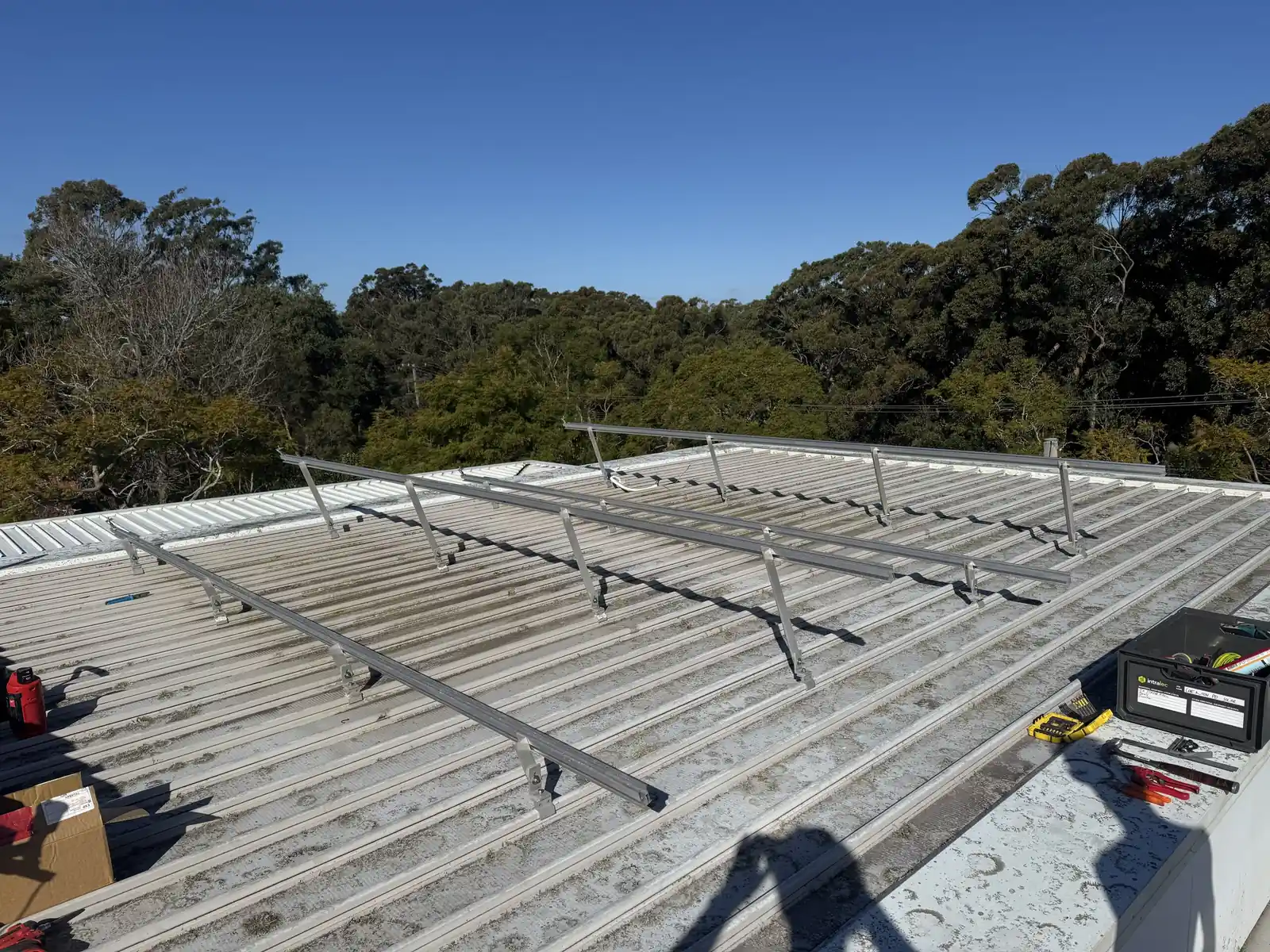
- Replaced the ageing solar system.
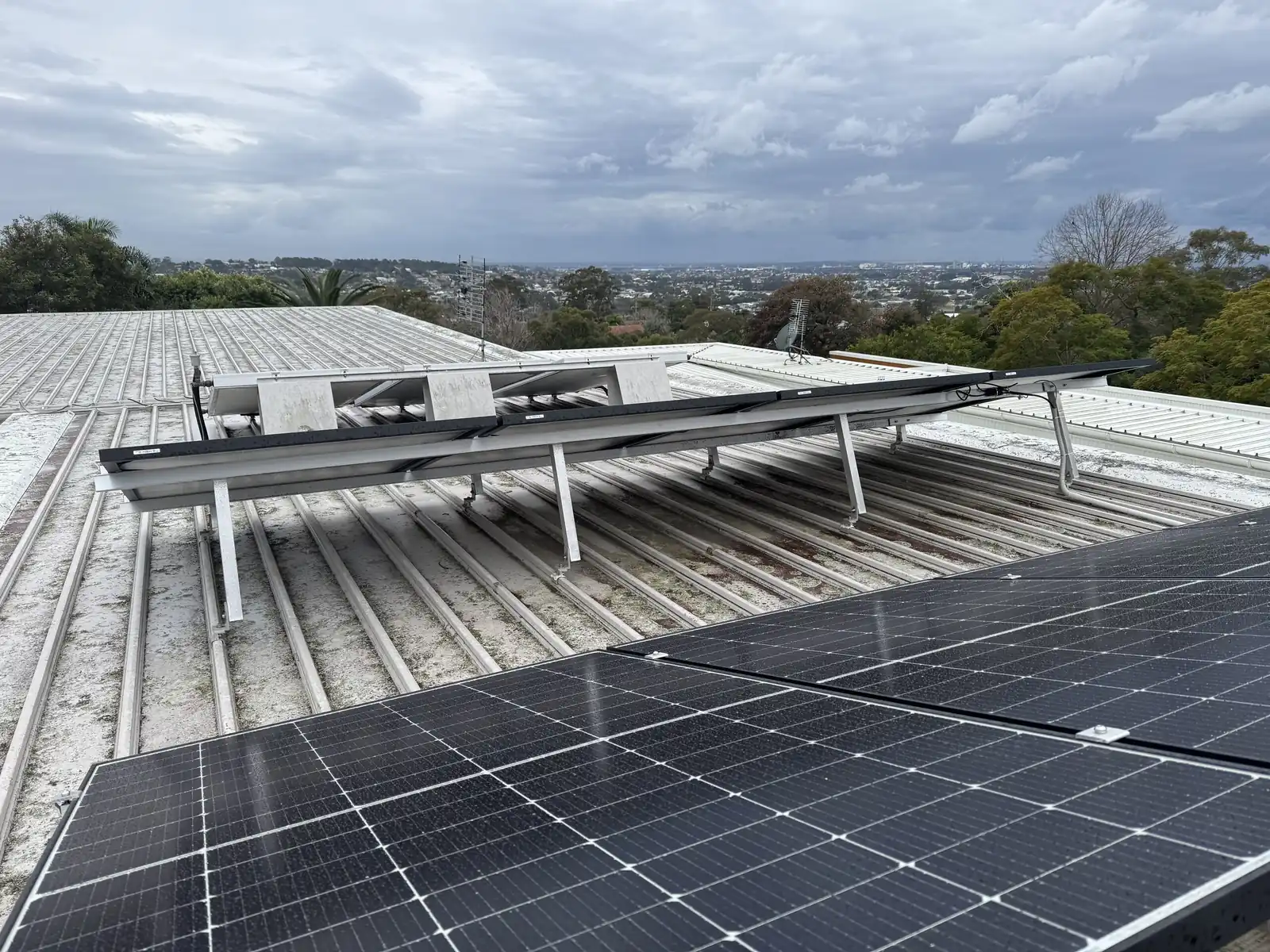
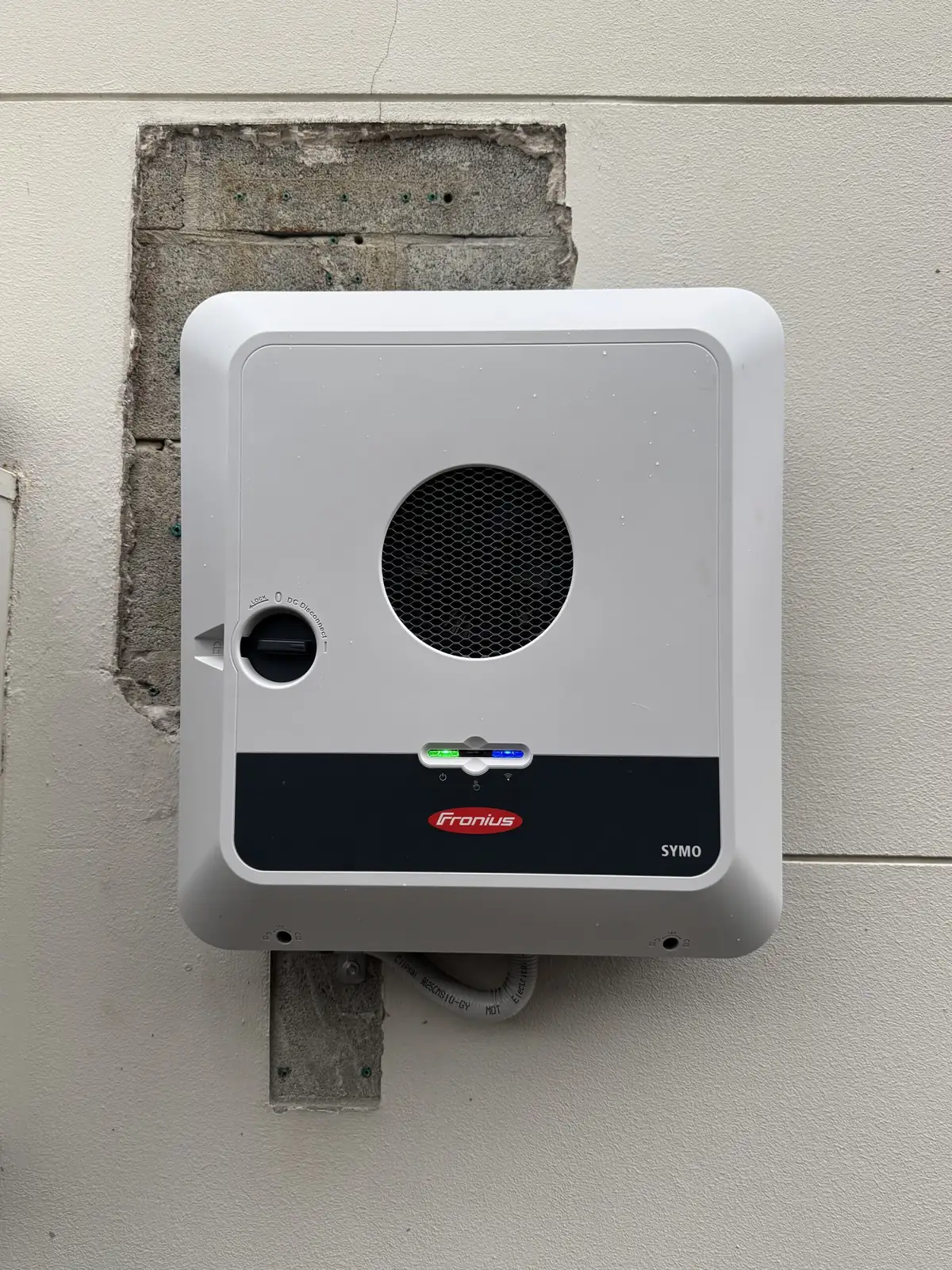
- Installed a Fronius inverter and Australian-made Tindo panels.
- Maintained a similar roof footprint.
- Set up the solar monitoring app.
- Planned for future solar expansion and battery storage.
How it helped
The new system increased output from approximately 1.6 kW to 3.4 kW while using a similar roof area. The customer can now monitor system performance and has a clear pathway for adding more solar and battery storage later.
Related services
Solar installation
Residential and commercial solar designed around your consumption, your property and your plans, and installed as part of the whole electrical system.
02Solar optimisation & upgrades
Ageing, underperforming or poorly integrated solar deserves a proper investigation before anyone proposes a replacement.
03Battery storage
Backup for the loads that matter, more use of your own solar and charging when power is cheaper.
Related projects
All projects ↗︎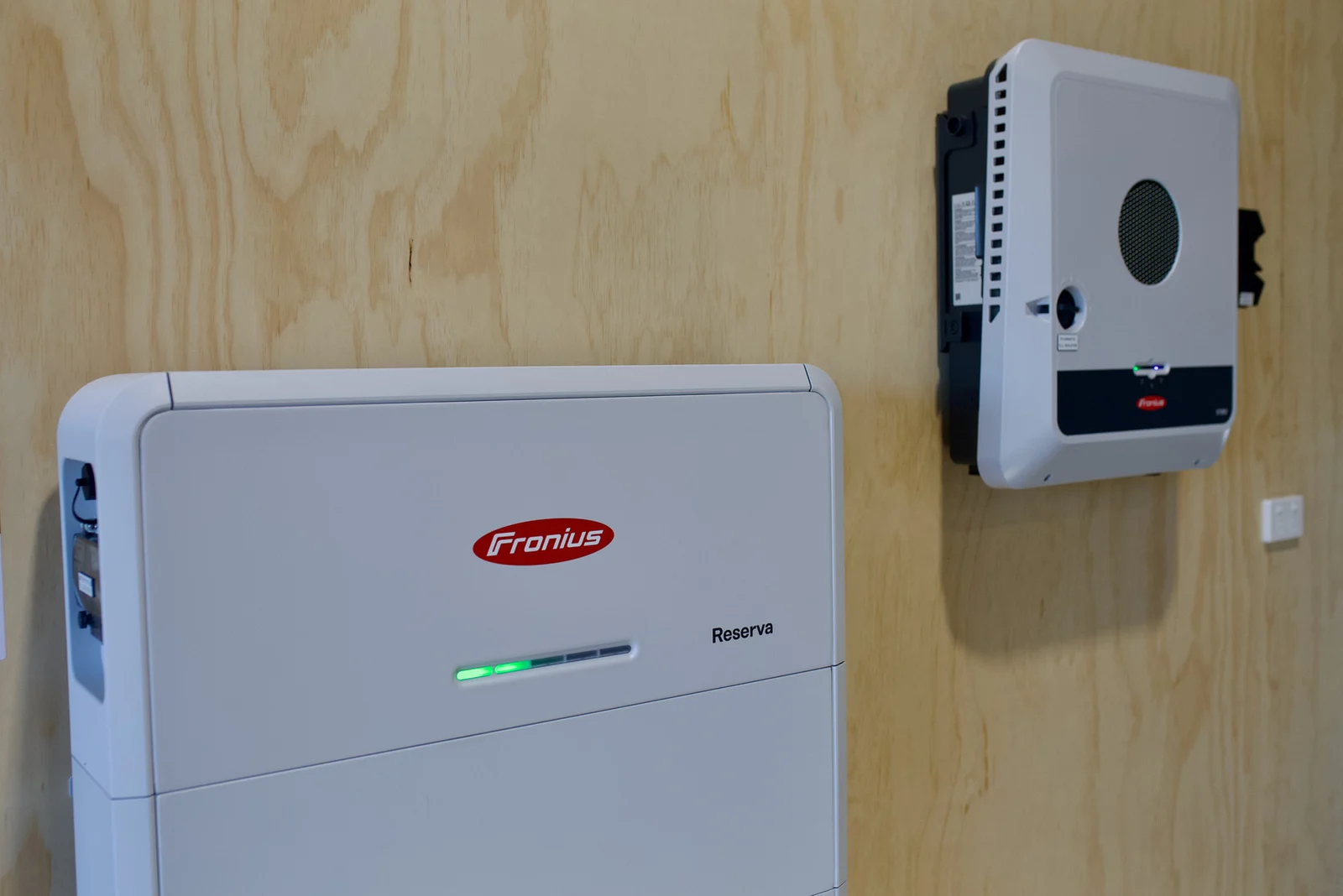
Maitland rural property solar, battery & backup
What we didInstalled 13.2 kW of Australian-made Tindo Walara solar panels, a 10 kW three-phase Fronius hybrid inverter and a 15.8 kWh Fronius Reserva battery, with whole-property backup.
How it helpedThe finished system provides solar generation, battery storage, power monitoring and backup in one installation, while keeping the equipment contained within the available shed space.
Read the project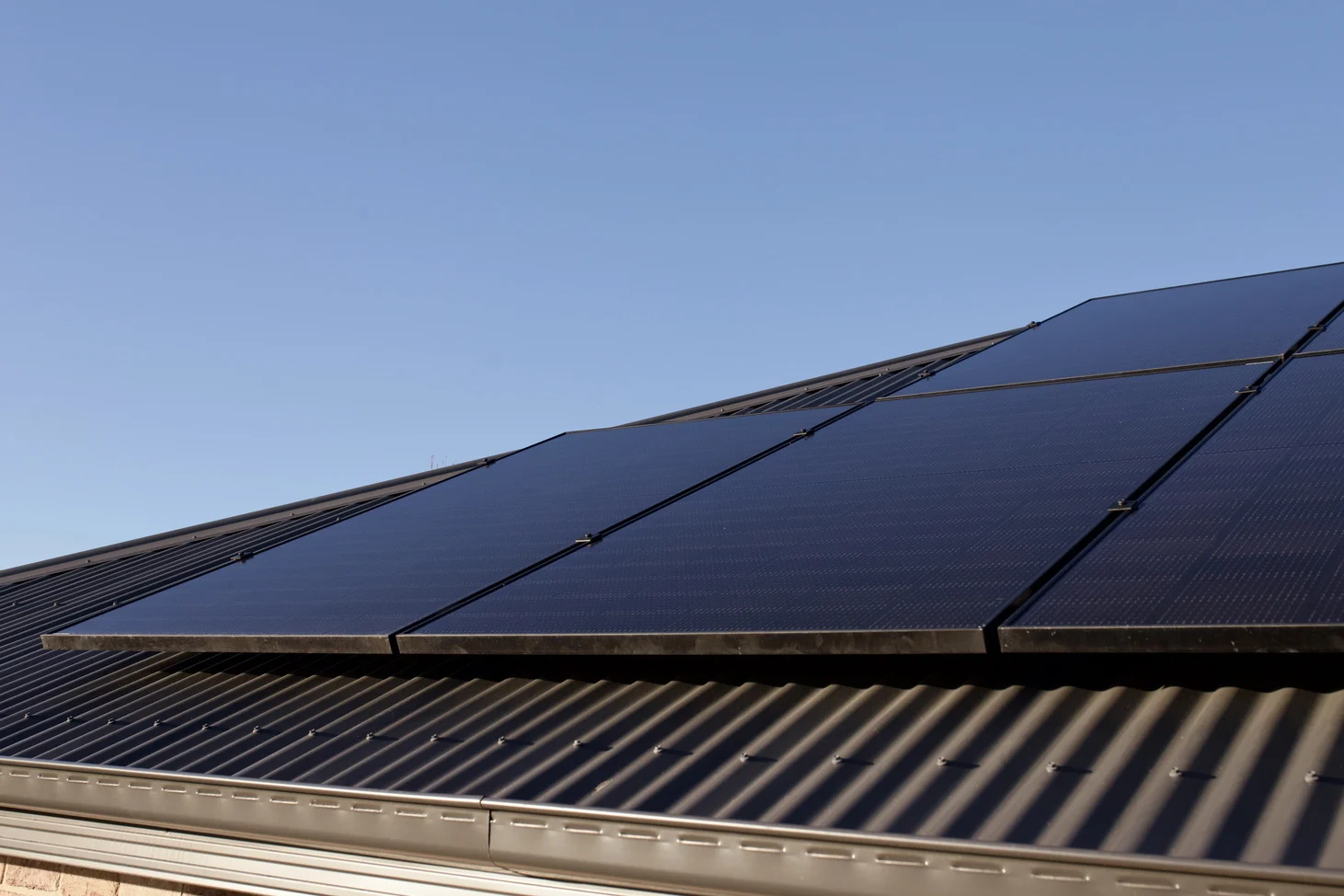
Solar & 3 phase whole house backup
What we didInstalled 13.2kW of Australian made Tindo solar panels with a Fronius GEN24 10kW hybrid inverter and 15.8kWh Fronius Reserva battery.
How it helpedAfter six months, grid electricity use was practically eliminated, with self-sufficiency sitting between 90% and 96%.
Read the project